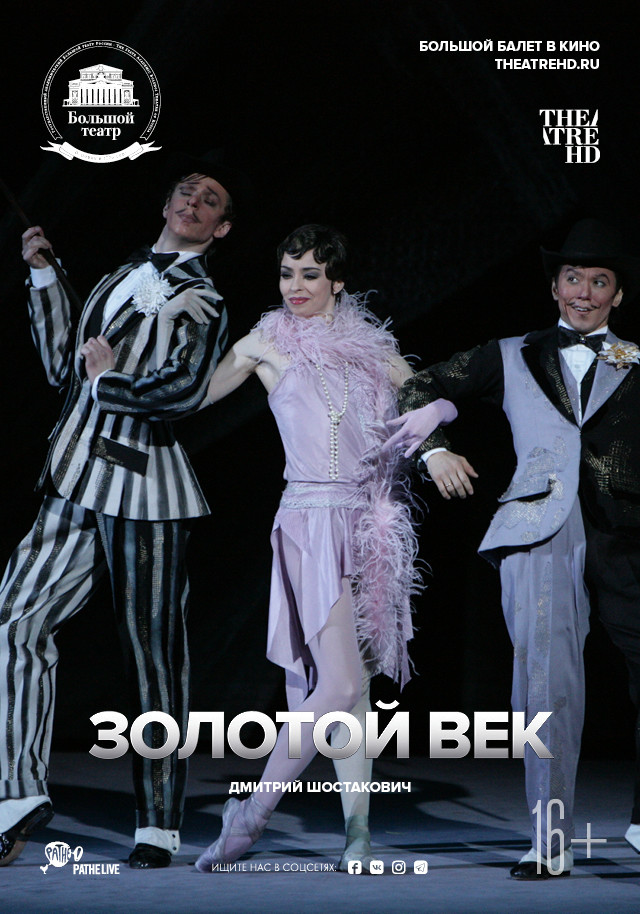
«Золотой век» на сцене Большого театра
Серия лекций «Ключ к спектаклю»
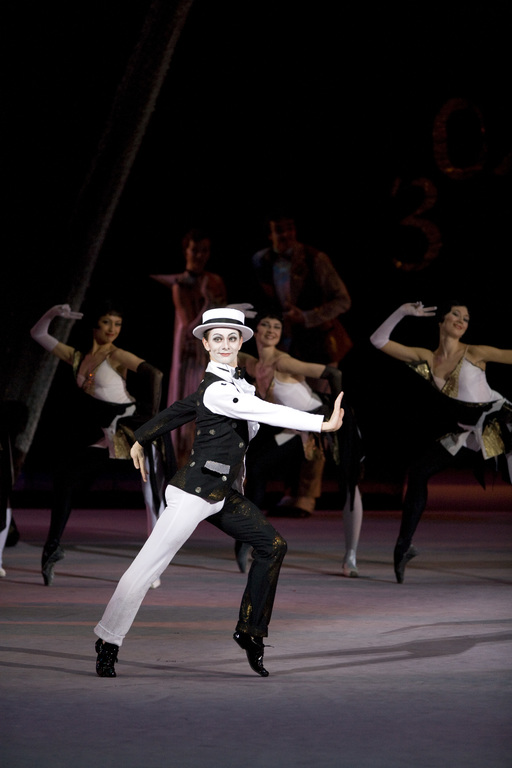
Большой - единственный театр в России, в репертуаре которого одновременно присутствовали три балета на музыку Дмитрия Шостаковича. «Золотой век» вошел в балетную афишу Большого первым, еще в советское время.
Как складывалась сценическая история авангардной партитуры, почему Юрий Григорович принял решение вернуть ее в театр, изменив сюжет, может ли сегодня оставаться актуальной история о НЭПе и доблестных советских комсомольцах - расскажет Богдан Королёк, историк балета, помощник художественного руководителя Урал Балета.
Начало встречи в 15.00
Показ спектакля в 15.30 (продолжительность 2 часа 18 минут)
По окончании просмотра возможно обсуждение, 30 минут
Как складывалась сценическая история авангардной партитуры, почему Юрий Григорович принял решение вернуть ее в театр, изменив сюжет, может ли сегодня оставаться актуальной история о НЭПе и доблестных советских комсомольцах - расскажет Богдан Королёк, историк балета, помощник художественного руководителя Урал Балета.
Начало встречи в 15.00
Показ спектакля в 15.30 (продолжительность 2 часа 18 минут)
По окончании просмотра возможно обсуждение, 30 минут
Guests

Музыкальный критик, либреттист
Actors

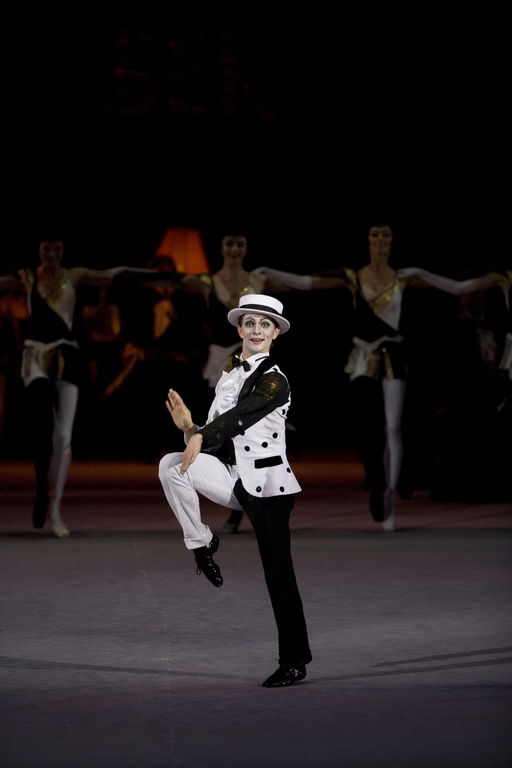
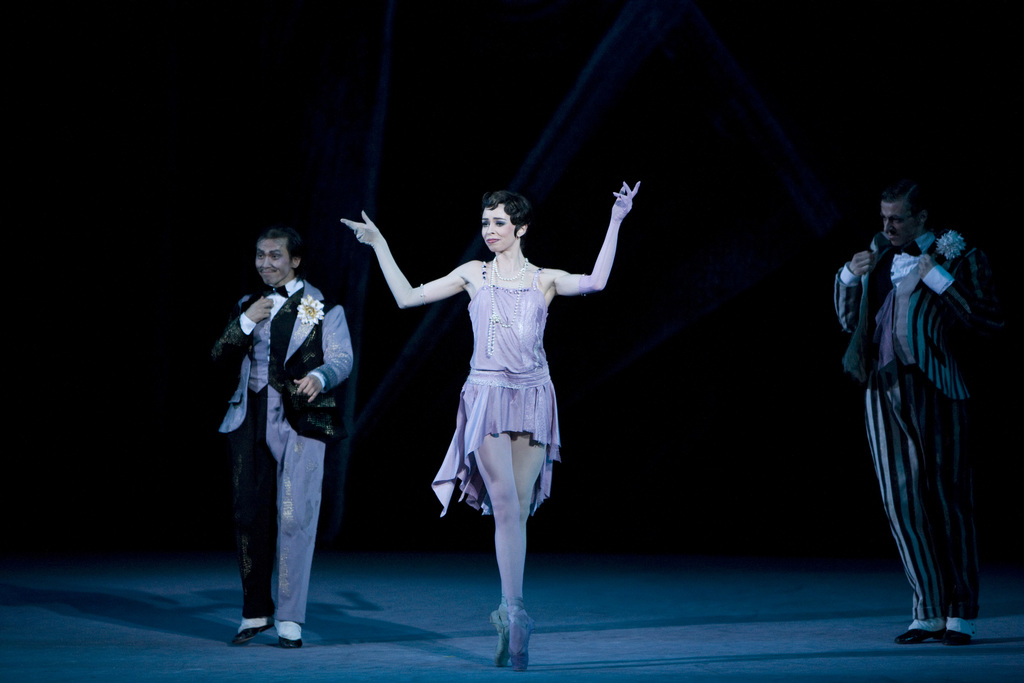
Рита, молодая девушка, выступающая под именем мадемуазель Марго в эстрадной программе ресторана «Золотой век»

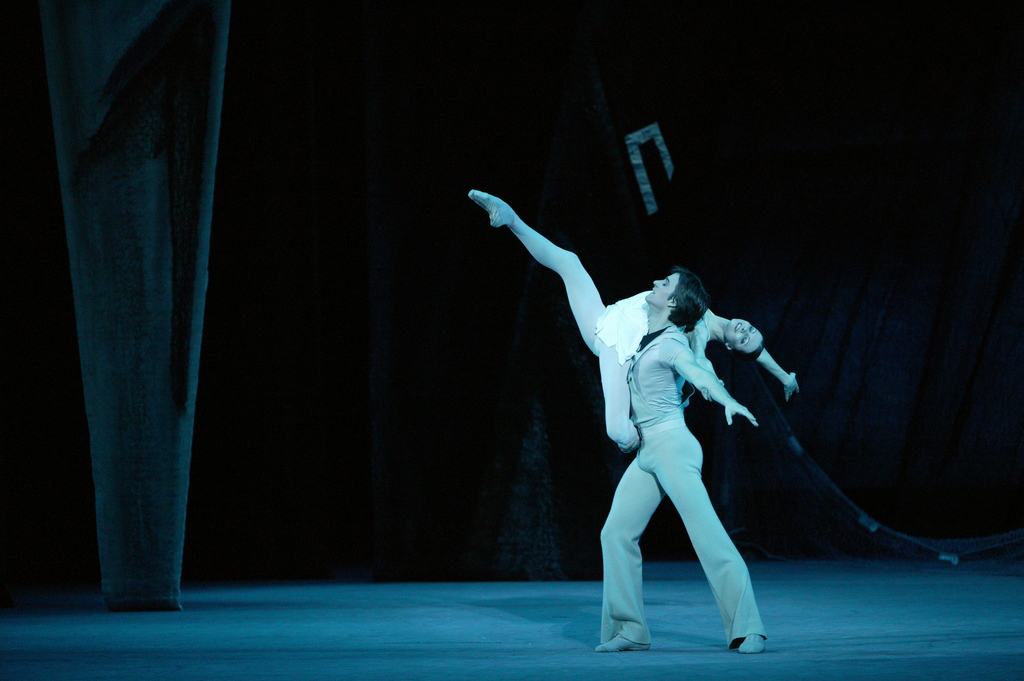
Борис, молодой рыбак, участник представлений агиттеатра рабочей молодежи
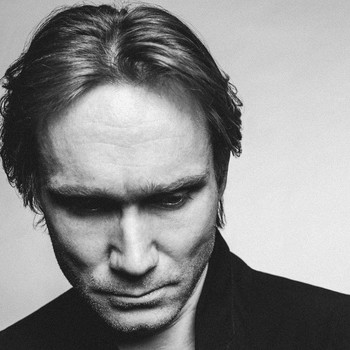
Яшка, главарь банды; он же мсье Жак — партнер Риты

Люська, сообщница и подружка Яшки

Конферансье эстрадной программы ресторана «Золотой век»
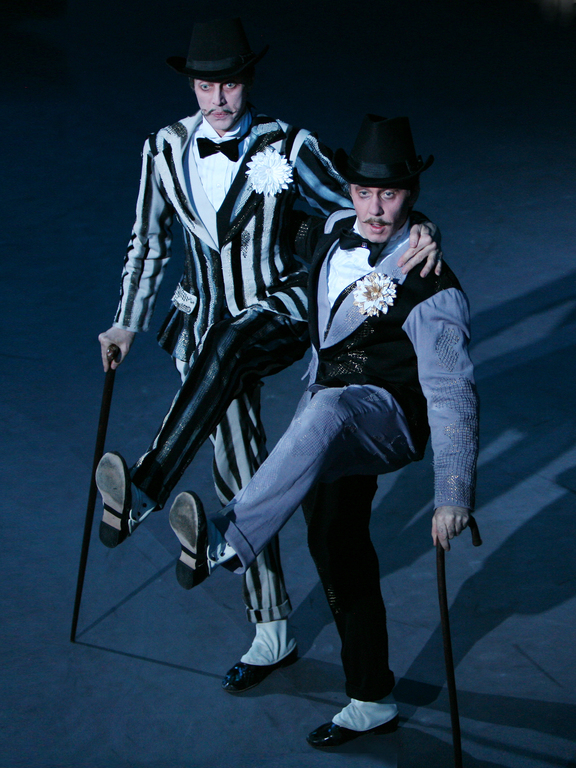
Два подгулявших нэпмана
Aleksey Loparevich, Alexander Petukhov

Crew
Dmitry Shostakovich
THE GOLDEN AGE
Ballet in two acts
THE GOLDEN AGE
Ballet in two acts
Libretto by Yuri Grigorovich and Isaak Glikman
Choreographer: Yuri Grigorovich
Sets and Costumes: Simon Virsaladze
Lighting Designer: Mikhail Sokolov
Choreographer: Yuri Grigorovich
Sets and Costumes: Simon Virsaladze
Lighting Designer: Mikhail Sokolov
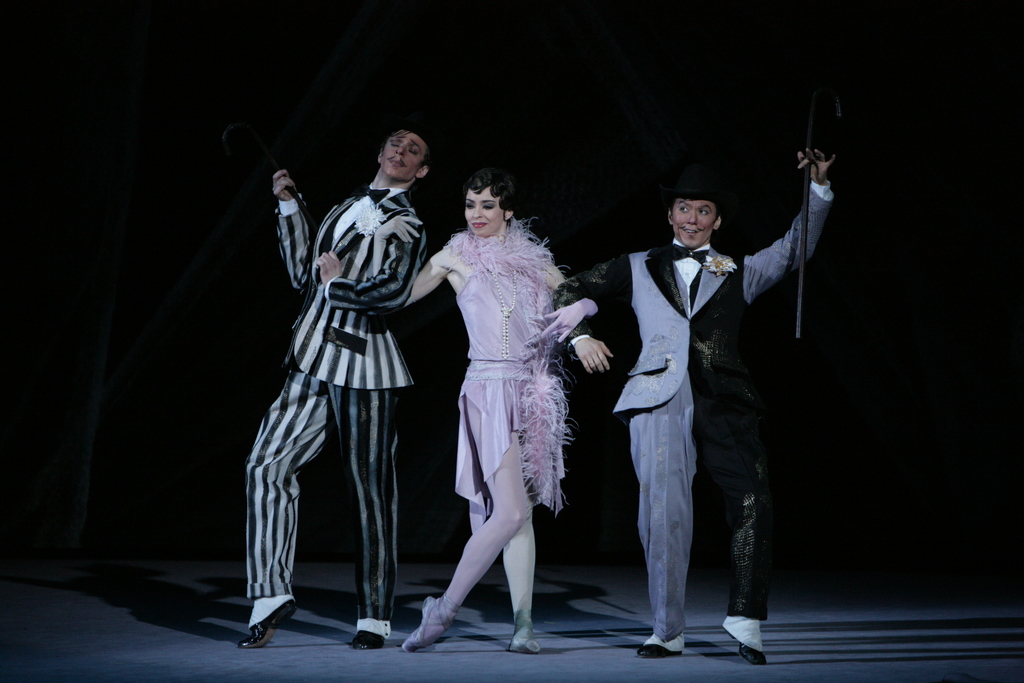
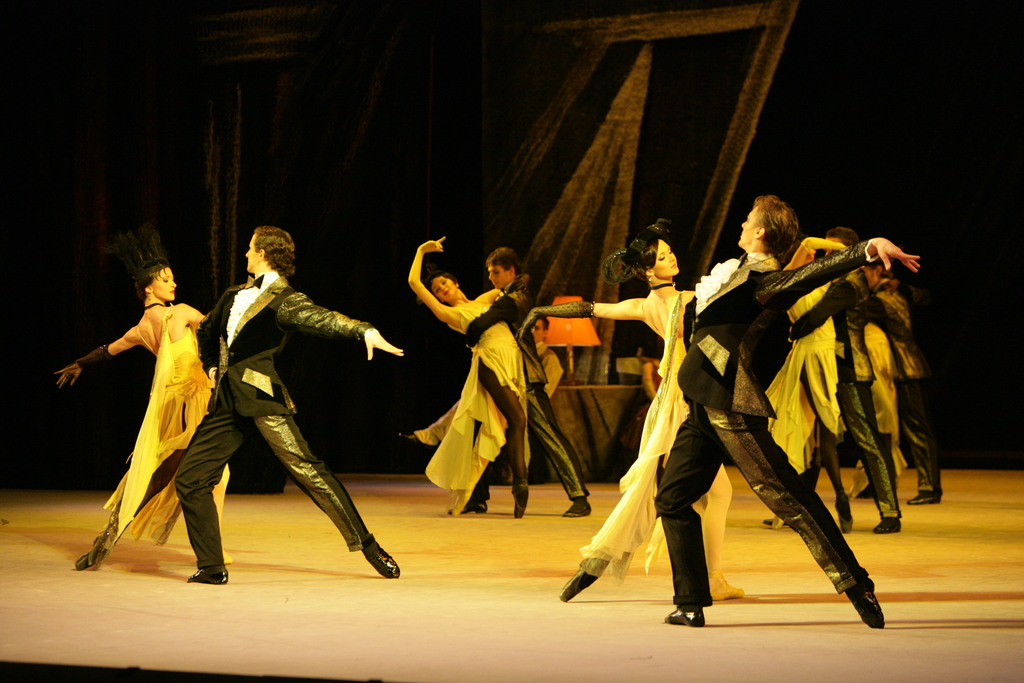
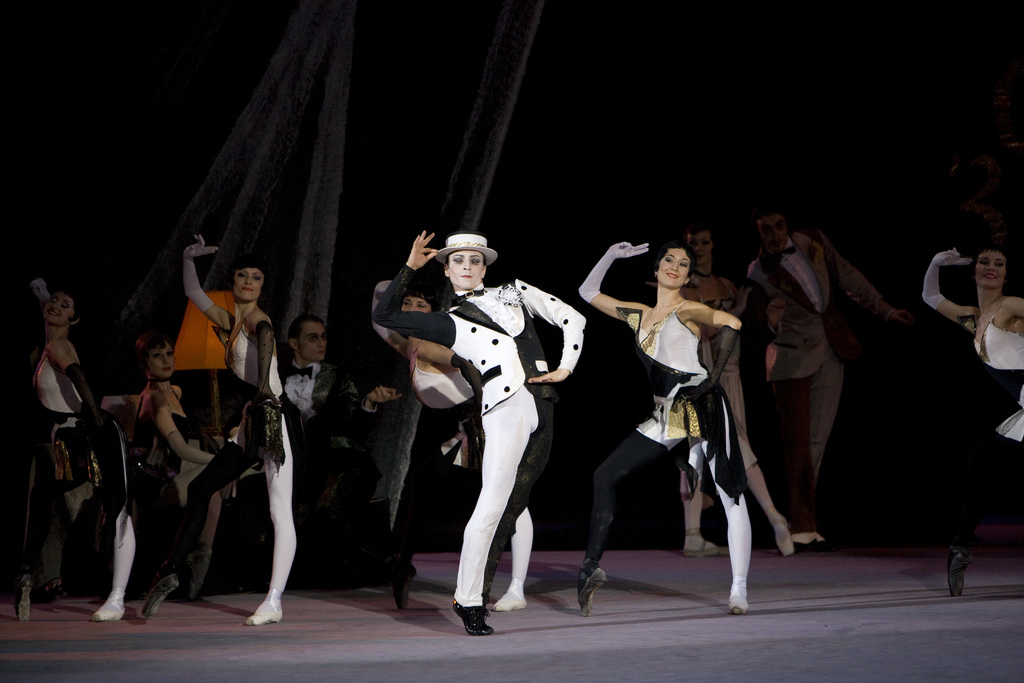
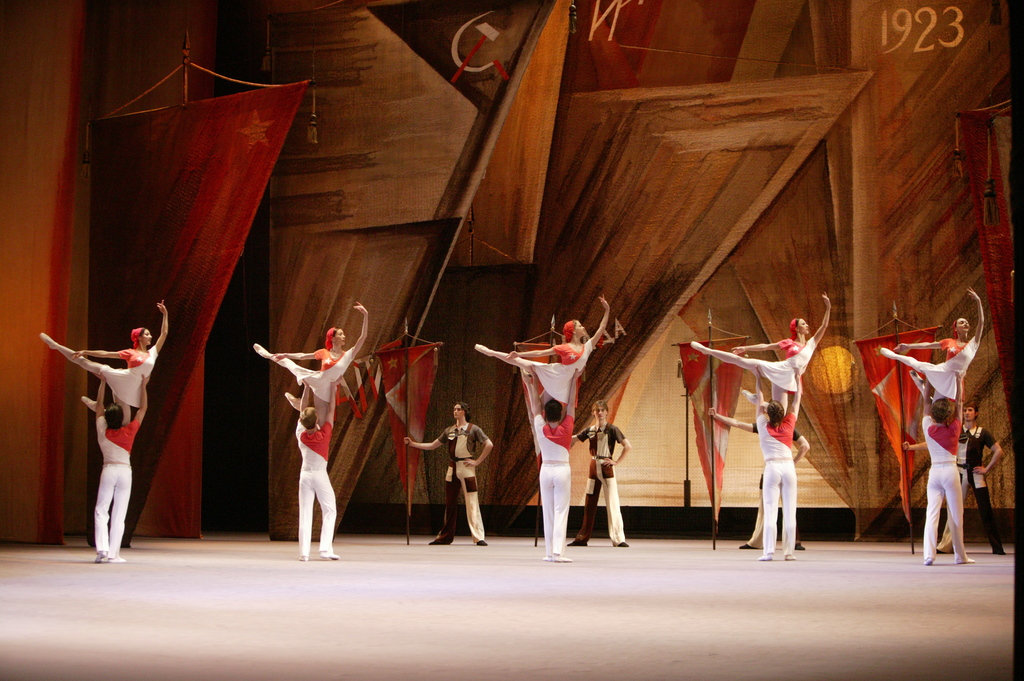
Time and place of action — seaside town in the south of Russia; the 1920’s. This was the period of the New Economic Policy (NEP) which allowed private enterprise and trade and, as a result, shadyoperators and petty criminals flourished. The Golden Age Restaurant is their favorite haunt — here a young dancer, Rita, who appears under the name of Mademoiselle Margot, and her partner,Jacques, in point of fact Yashka, leader of a local gang of bandits, entertain a mixed public of “fast livers”. Helping Yashka with his ’jobs’ are his bandit cronies and his friend, Lyuska.
During the town festival and general rejoicing Boris, a young fisherman, member of the satirical agitprop theatre for working youths, meets Rita. They begin to fall in love. But, suddenly, Ritadisappears into the crowd, Boris rushes after her. Boris’s search brings him to The Golden Age Restaurant. To his astonishment, he recognizes the dancing Mademoiselle Margot to be Rita, thegirl he is looking for.
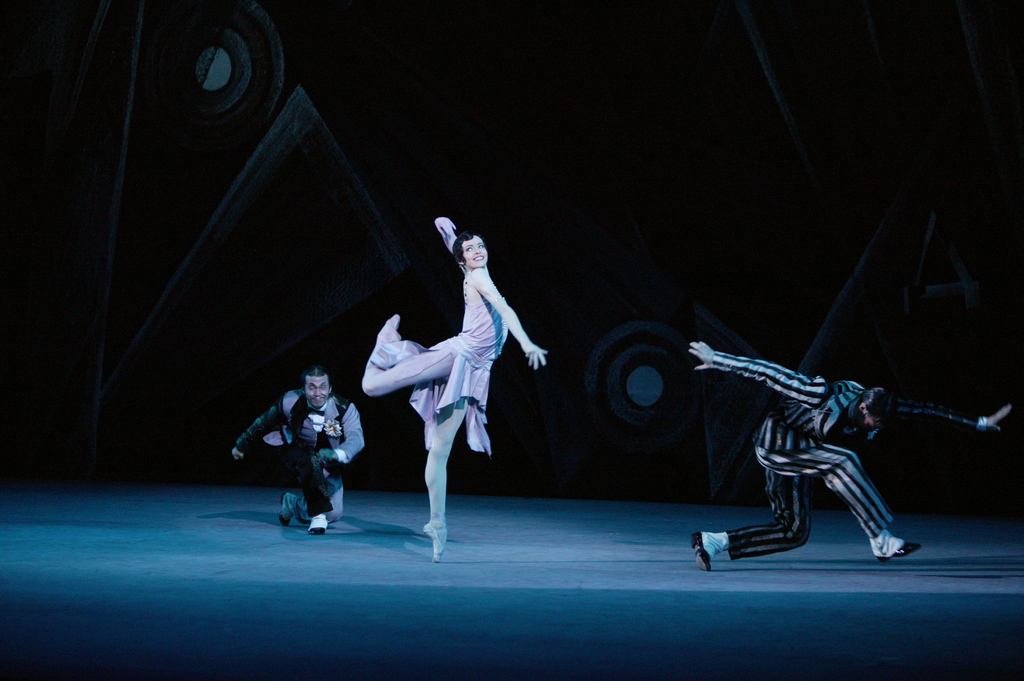
Boris and Yashka fight over Rita. She is attracted by both young men, by the sincerity and depth of their feelings for her. Boris’s young fishermen friends start a brawl with members of the gang ofbandits. Yashka tries to make a run for it, but he is caught. Rita is free: leaving the restaurant forever, she goes off with her beloved Boris to start a new life.
Boris and Yashka fight over Rita. She is attracted by both young men, by the sincerity and depth of their feelings for her. Boris’s young fishermen friends start a brawl with members of the gang ofbandits. Yashka tries to make a run for it, but he is caught. Rita is free: leaving the restaurant forever, she goes off with her beloved Boris to start a new life.
Language
English, french, russian
Runtime
2 hours 7 minutes with one intermission
Act 1
53 min
Intermission
17 min
Act 2
57 min
2016
16+

.JPG)


.JPG)